Red Crane Truck Embroidery Design Review
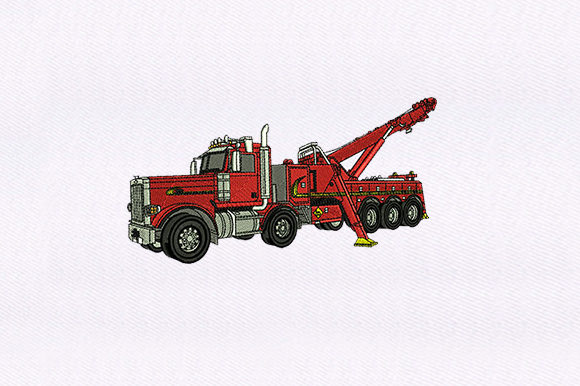
As a professional embroidery designer preparing for a weekend craft fair, my process always begins with a thorough evaluation of a design’s potential. The Red Crane Truck Design immediately presents itself as a bold, masculine, and distinctly industrial graphic. It leans toward a rustic, Americana aesthetic that feels both nostalgic and modern—a premium decorative element rather than a cute or soft motif.
Craft Fair Booth Placement & First Impressions
When imagining my table display—filled with embroidered tote bags, aprons, tea towels, caps, and pillow covers—this design stands out as a focal point for a specific customer. It won’t be the first thing every shopper sees, but it will command attention from those drawn to transportation themes, truck enthusiasts, or anyone looking for a gift with a sturdy, vintage feel. Its bold lines and likely solid color areas mean it will be readable from a distance across the booth, a crucial factor in busy market environments.
Product Performance & Application Ideas
Let’s break down where the Red Crane Truck Design would perform best as a craft fair product.
- Tote Bags & Market Bags: This is a prime candidate. A large tote bag provides a perfect canvas for this as a central, statement design. It elevates a simple bag into a themed, handmade product with strong visual appeal.
- Aprons: Particularly for a workshop or garage-style apron, this design adds immense character. Positioned on the chest or lower pocket, it transforms a functional item into a branded, giftable piece.
- Caps: Embroidered on the front panel of a cap, the design’s boldness works well on the curved surface. However, careful testing on scrap fabric is needed to ensure the design’s details don’t get lost on the textured, structured fabric of a hat.
- Embroidered Patches: This design is perfect for a patch. It can be sold as a standalone item or applied to a customer’s own gear. Patches are low-cost, high-margin items that are easy to batch produce.
- Tea Towels & Kitchen Towels: While it could work on a darker towel, the texture of a towel might challenge the clarity of fine details. A simpler, linen-style towel might be a better base than a highly textured one.
- Pillow Covers: For a den, office, or rustic living space, this design makes a strong decorative pillow. It feels repeatable—you could easily produce a batch in complementary fabric colors.
- Fabric Pouches & Small Gift Items: As a smaller accent on a zipper pouch or tool roll, it maintains its impact. It works as a small design but retains enough detail to be recognizable.
Practical Production & Selling Considerations
Turning this digital embroidery file into profitable handmade products requires a practical eye.
Design Clarity & Production Flow
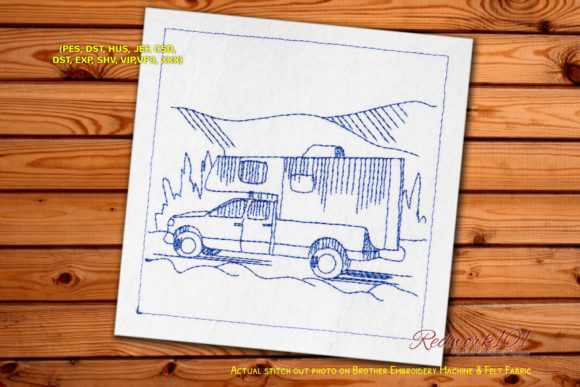
The design’s name suggests clear, graphic lines. This is excellent for batch production. Customers understand it at a glance: it’s a crane truck. This instant recognition is vital for quick sales. For online listings like Etsy, it will photograph well against neutral backgrounds, emphasizing its graphic quality. As an Etsy seller, I’d use clean, printable mockups alongside photos of real embroidered samples to showcase its application.
Careful-Use Notes for the Embroidery Designer
Without knowing the exact stitch count or density from the provided file formats (10O, ART, CND, DSB, DST, DSZ, EXP, HUS, JEF, PCS, PEC, PES, TAP, VIP, VP3, XXX), I must advise standard precautions.
- Test on Scrap Fabric First: Always embroider the design on a scrap of your intended production fabric. Check for any overly dense stitch areas that might pucker, especially on lighter fabrics like linen for tea towels.
- Thread Contrast: On dark fabrics, ensure your thread color palette has enough contrast to keep the design sharp. A red crane on a black tote bag could be stunning if the threads are vibrant.
- Stabilizer Selection: Match your stabilizer to the fabric texture. A sturdy tote bag canvas needs one type; a curved cap surface needs another. This is key for clean stitches.
- Hoop Size & Scaling: Confirm the design’s native hoop size and test if it scales down well for smaller items like patches. Tiny details or small lettering (if present) might lose clarity when minimized.
- Create a Real Mockup: Before producing a batch, make at least one finished product—a tote bag or apron—to judge the handmade quality, customer appeal, and to use as a booth sample.
- Commercial Licensing: Before selling finished products, confirm that the machine embroidery design files come with a license for commercial embroidery use. This is a non-negotiable step for any small shop product.
Impact on Sales & Booth Success
The Red Crane Truck Design directly affects several key sales factors.
Its visual appeal is niche but strong. It won’t appeal to everyone, but for its target audience, it creates high product value. A well-executed embroidery on a premium tote bag feels like a custom, quality item, not a mass-produced one. This supports a higher price point.
For brand consistency, if your booth leans toward rustic, industrial, or automotive themes, this design strengthens that narrative. It makes your display cohesive and professional.
Most importantly, it drives buyer engagement. At a craft fair, a unique, well-made design sparks conversation. Someone might buy it for themselves, or as a gift for a truck-loving friend. Its clarity and theme make it an easy product to explain and sell quickly.
Final Designer Thoughts
The Red Crane Truck Design is a compelling embroidery file for the transportation category. Its success hinges on pairing it with the right products—primarily statement items like tote bags, aprons, and patches where its bold graphic nature can shine. Production is straightforward if standard embroidery best practices are followed: test, check contrast, use proper stabilizer, and verify licensing. For the creative entrepreneur at a craft fair, it represents an opportunity to capture a specific customer’s attention with a high-impact, memorable finished product that looks and feels professionally made.