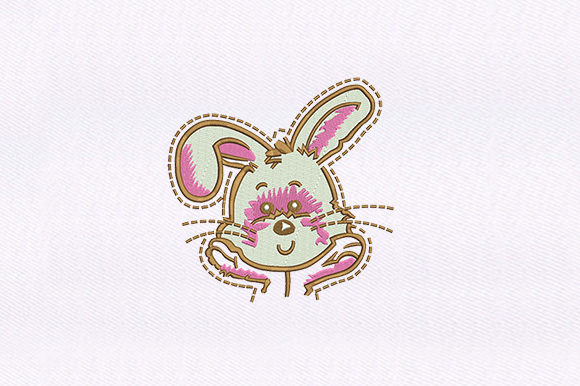
Cute Bunny Rabbit Design: A Warm Review from an Embroidery Designer
As someone who has spent years creating embroidered gifts for customers, I know the moment a design feels right. It’s not just about the technical stitches; it’s about the story it tells and the warmth it brings to a finished product. Today, I’m reviewing the Cute Bunny Rabbit Design, a machine embroidery design, imagining how it would perform for a personalized gift shop before stitching it on a real customer’s order.
The First Impression: Whimsical Charm for Keepsakes
The moment you open this embroidery file, the mood is clear: sweet, playful, and utterly charming. It carries a timeless, classic feel rather than a strictly modern one, with a detail level that suggests a handmade touch. This isn’t an overly intricate or fussy design; it’s approachable. The emotional appeal is strong—it evokes nostalgia, innocence, and warmth. This makes it perfect for items meant to be cherished, like a baby’s first blanket or a wedding day handkerchief. It feels romantic in a gentle, familial way and could easily adapt to seasonal themes like spring or Easter without being locked into them.
Perfect Applications: From Nursery to Wedding
This Cute Bunny Rabbit Design is a versatile asset. For baby embroidery, it’s an instant winner. Imagine it on a nursery pillow cover, a soft blanket, or delicately stitched onto a keepsake bib. The woodland animals theme fits seamlessly into baby and children’s products.
For wedding gifts, think of personalized towels for the new couple’s home, or a subtle accent on a pillow cover for their guest room. It’s sweet without being childish, making it a lovely symbol of new beginnings. As a family keepsake, it could adorn a custom tote bag used for picnics or a decorative apron that becomes a kitchen heirloom.
From a small business perspective, this design is a ready-made product line. For craft fair products, Etsy listings, or custom order previews, it offers quick adaptability. You could create a whole collection: embroidered towels, pillow covers, aprons, and blankets all featuring this consistent, charming motif. Offering it as a personalized gift—perhaps with a name stitched nearby—would significantly increase its perceived value and customer trust.
Where the Design Needs Careful Consideration
While versatile, a professional always knows where to apply caution. The delightful details in this bunny design mean you should be mindful on certain projects.
- Small lettering or delicate details: If you plan to add text alongside it, ensure your machine and stabilizer are set for fine work.
- Textured or thick fabrics: Embroidered towels, especially terry cloth, require robust stabilizer to keep the bunny’s shape crisp.
- Stretchy baby clothes or curved surfaces: Hoop carefully and use appropriate stabilizers to prevent distortion.
- Dark fabric: Thread color contrast is crucial. You’ll want to test on scrap fabric to ensure the bunny’s features pop beautifully.
- Products needing frequent washing: For items like kitchen towels or baby clothes, stitch density and quality thread become paramount for durability.
The Giftability Factor and Customer Connection
How does this machine embroidery design affect the final product’s appeal? Firstly, it boosts giftability immensely. A pillow cover or blanket with this design feels like a thoughtful, meaningful embroidered gift rather than a generic item. The perceived value rises because the design conveys a handmade quality and emotional connection.
For your shop, this translates into better product photography—the design is photogenic and tells a story easily. Buyer engagement increases because customers can instantly visualize it on the item they need, whether for a newborn, a wedding, or a housewarming. It builds trust because the output looks professional and lovingly crafted.
Practical Embroidery Notes Before You Stitch
Before running this design on a real order, a few steps are non-negotiable. They protect your time and ensure your customer gets a perfect finished product.
- Always test on scrap fabric identical to your final product material.
- Check thread color contrast for both light and dark fabric mockups. A printable mockup can help visualize, but a real stitch test is best.
- Confirm hoop size required. The design files come in many formats—10O, ART, CND, DSB, DST, DSZ, EXP, HUS, JEF, PCS, PEC, PES, TAP, VIP, VP3, XXX—so ensure you’re using the correct one for your machine and intended hoop.
- Review stitch density by stitching a sample. This informs your stabilizer choice.
- Use proper stabilizer for the fabric texture. A towel needs a different approach than a satin pillow cover.
- Check small details after stitching—like the bunny’s eyes or ear outlines—to ensure they are clean and intact.
- Most critically, confirm commercial licensing if you plan to sell finished products from this digital embroidery file. The terms are not provided here; you must verify them before selling.
A Design That Sells an Experience
In the end, the Cute Bunny Rabbit Design isn’t just a set of stitches; it’s a tool for creating memories. For baby product creators, wedding gift designers, and handmade sellers, it provides a reliable, emotionally resonant foundation. For Etsy sellers and small business owners, it’s a commercial embroidery asset that can be adapted across countless products, saving design time while offering consistency.
The key is to respect its strengths and its needs. With proper testing and application, this design will stitch out beautifully, turning a simple towel, tote, or blanket into a cherished personalized gift. That’s the real magic of a good embroidery file—it lets you, the maker, focus on the craft and the customer, while it quietly delivers the charm.