A Designer's Review: The Flag of Brazil Embroidery Design
When a new embroidery file lands in my library, my first question isn't just "what is it?" but "how will it perform?" Today, I'm looking at the Flag of Brazil design, a file that immediately suggests a specific mood and purpose. As a designer who works with clients and sells my own handmade products, my review hinges on practical application—how this design translates from a digital preview to a stitched, finished product that delights a customer or fulfills a project brief.
The Immediate Mood and Visual Personality
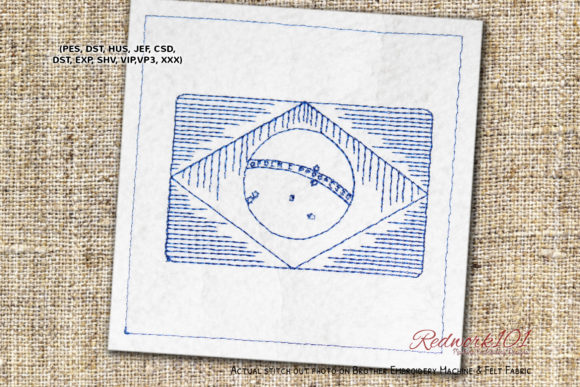
The first impression of this Flag of Brazil design is one of clear, symbolic pride. It carries a straightforward, recognizable graphic personality. This isn't a subtly detailed landscape; it's a bold emblem. The layout is inherently balanced, centered around the iconic globe and stars. For Independence Day projects, patriotic gifts, or items for Brazilian communities and supporters, the mood it creates is direct and celebratory. The design feels like it belongs on items meant to be seen and recognized—a statement piece rather than a delicate accent.
Where This Design Finds Its Natural Home
In real-life embroidery project scenarios, I envision this flag design excelling on several fronts. It's a strong candidate for custom apparel like sweatshirts or polo shirts where a clean, central logo is desired. It would make a fantastic embroidered patch, either applied to a bag or jacket or sold as a standalone item. Consider a scenario: preparing a custom tote bag for a client who wants a gift for a friend moving abroad. This design, stitched prominently on the front, becomes a meaningful, personalized keepsake. For small business owners, particularly those catering to cultural boutiques or holiday embroidery for national celebrations, this file is a ready-made design asset.
I'd also think about its application on home goods. A neat, crisp rendition on a pillow cover or a kitchen towel could anchor a themed room or serve as a thoughtful gift. For baby embroidery on a blanket or a nursery decor item, it could be a beautiful nod to heritage. The key is that the design's strength is its symbolism, so placing it on products where that symbolism is the focus is ideal.
Performance on Actual Projects: A Realistic Walkthrough
Let's talk stitching. A design like this, with distinct elements (the outer field, the central globe, the lettering), requires good stitch density management. The description notes that "The Box Stitch shown in picture is optional." This is a crucial practical point. As a reviewer, I appreciate this flexibility. On many projects, like a sweatshirt embroidery, a bounding box might feel too formal. Being able to skip it directly means I can adapt the design's final look to the product—a more integrated feel for apparel, perhaps a more framed presentation for a patch.
The note about the box color being different unless part of the design itself is a standard designer insight. It reminds me to always check thread color contrast in my software before stitching. On a dark fabric background, that outer box might need a light thread to pop, or I might choose to omit it entirely for a cleaner look.
Points for Caution and Careful Application
No design is universally perfect, and a professional knows where to apply caution. The Flag of Brazil design, with its likely use of satin stitch for the bands and fill stitch for the globe, should be approached carefully on certain materials. On very stretchy fabric like thin t-shirts, the density could cause puckering without the right stabilizer. On textured fabrics like some towels, fine details might lose clarity.
I'd be mindful of scale. Embroidering this on a curved surface like a cap requires testing in a small hoop size to ensure the lettering and star details remain sharp. Similarly, if you're creating a small personalized gift like a keychain tag, a very miniaturized version might lose the intricate star patterns. Always test the design on scrap fabric first, matching the exact material and backing you plan to use for the final product.
Impact on Product Value and Customer Perception
From a business perspective—whether you're an Etsy seller, a craft business owner, or an apparel decorator—the successful execution of this design directly affects customer trust and product value. A well-stitched, crisp flag on a handmade product conveys professionalism. It shows attention to detail. For a customer seeking a holiday gift or an item of cultural significance, that precision enhances the emotional value and the giftability of the item.
The design also aids in brand consistency. If your shop specializes in cultural or patriotic items, using a clean, standardized design like this across different products (totes, aprons, decor) creates a cohesive collection. This helps in creating strong printable mockups for your digital listings and builds a recognizable line for your small shop product offerings.
Essential Designer Notes Before You Stitch
Before running this machine embroidery design, my practical workflow would include these steps:
- Review stitch density in your editing software to ensure it's appropriate for your chosen fabric weight.
- Inspect small details like the stars and the lettering "ORDEM E PROGRESSO" to ensure they will stitch out clearly at your intended size.
- Compare light and dark fabric backgrounds virtually or by testing. The color choices for the green, yellow, and blue may need slight adjustment for optimal contrast on dark fabrics.
- Confirm licensing before selling finished items or using it in commercial embroidery projects. The product description doesn't specify terms, so this is a mandatory check.
- For digital product sellers offering this file, ensure your own licensing is clear and that you provide these practical usage notes to your customers.
- Finally, test it in black and white mockups to judge its form independently of color. This helps assess if the design holds up as a graphic even without its iconic palette.
The Final Stitch: A Confident Design Choice
In summary, the Flag of Brazil embroidery design presents itself as a solid, purposeful file. Its value lies in its recognizability and adaptable framing option. It's not a hyper-complex design that will challenge advanced stabilizer techniques, but its success depends entirely on thoughtful application—choosing the right product canvas, preparing the fabric properly, and stitching it with an understanding of its symbolic weight. For the crafter making a gift, the entrepreneur adding to a boutique collection, or the decorator fulfilling a client request, this design can move from a digital file to a beautifully finished product with confidence, provided you do that crucial pre-work. It reminds us that good embroidery design isn't just about the art; it's about the artifact it becomes.