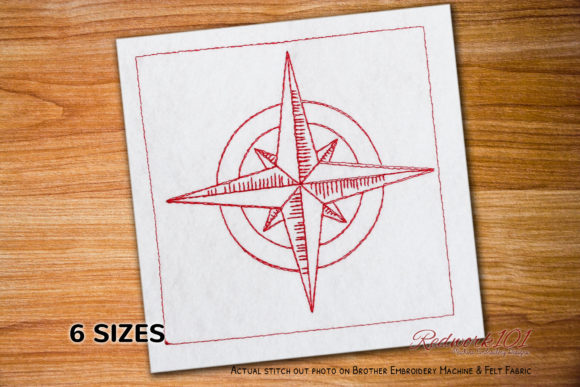
Evaluating the Compass Lineart Design for Craft Fair Products
As someone who prepares a booth for handmade markets, my first task is to review each design with a critical eye for both aesthetic appeal and production practicality. The Compass Lineart Design immediately presents itself as a crisp, modern, and decorative motif. The lineart style suggests a clean, minimal aesthetic, which carries a premium feel. This isn't a cute or rustic design; it's a bold graphic statement that leans into a contemporary, almost nautical, elegance. This mood is perfect for the Beach category, but its appeal is broader—it speaks to travelers, adventurers, and anyone who appreciates clean geometric art.
Where This Design Shines on the Booth Table
Imagine your display: tote bags, aprons, tea towels, caps, and pillow covers arranged to catch the eye. The Compass Lineart Design would stand out on products where its graphic nature can be a focal point. On a solid-color canvas tote bag or a market bag, this design becomes a striking, artistic feature that elevates the item from simple utility to a handmade product with intentional style. It would perform exceptionally well on a pillow cover, turning a basic home decor item into a modern accent piece.
For smaller items, like a fabric pouch or a embroidered patch, the design needs to be evaluated for clarity at reduced sizes. Lineart can sometimes lose definition when stitched too small, so as an embroidery designer, I would test it as a smaller accent on a cap or the corner of a tea towel. A successful craft fair product often mixes large statement pieces with smaller, affordable impulse buys, and this design could potentially span both.
Practical Production Considerations for Sellers
Turning a digital embroidery file into a physical product requires forethought. For the Compass Lineart Design, stitch density is a key consideration. Lineart designs are often comprised of many single-line or fill stitches that create the drawing. While the description notes "The Box Stitch shown in picture is optional," this suggests there may be areas of denser stitching. On textured towels or thick fabric like denim for aprons, dense areas require the right stabilizer and thread colors with good contrast to prevent the design from sinking into the fabric.
Hoop size will dictate which products are feasible. This design feels like it would want to be a medium to large focal point. I would absolutely create at least one real mockup on a scrap of the actual fabric I plan to use—say, a cotton canvas for a tote—to check spacing, thread coverage, and overall impact. This step is non-negotiable for any Etsy seller or boutique maker preparing commercial embroidery products; it prevents costly mistakes and ensures the handmade quality is high.
Visual Appeal and Customer Engagement
A clean, modern design like this attracts a specific customer. At a busy market, its graphic clarity makes it easy to understand at a glance—a compass, a symbol of direction and adventure. This instant readability is a sales advantage. It also photographs beautifully for Etsy listings and printable mockups, as high-contrast lineart tends to look sharp and professional online, boosting perceived product value.
For brand consistency, if your shop specializes in minimalist or travel-themed items, the Compass Lineart Design would be a strong addition. On the booth table, grouping several products featuring this design—a tote, a pillow, a patch—creates a cohesive display that tells a story and strengthens your booth's visual impact. This repetition can deeply engage buyers who resonate with the theme.
Careful Use Notes for a Successful Product
Several practical points need attention before batch production. First, tiny details: if the design includes very fine lines or small lettering (common in compass designs), these might not stitch cleanly on coarsely textured fabrics like linen towels or on curved surfaces like caps. Testing is key.
Second, fabric color is critical. The description mentions "The color of outer Box is different color in most of the designs unless it is part of the design itself." This implies that thread color choices are vital for contrast. On dark fabric, you might need to skip an outer color or use a very bright thread to ensure the design pops. A design that loses clarity on dark fabric without adjustment will not sell well in person.
Finally, consider repeatability. Is this design practical for producing ten, twenty, or fifty tote bags? If the stitch count is high or the hoop size requires multiple repositionings, it may not be efficient for large batches. Always confirm the specifics of the embroidery file and its licensing for commercial embroidery use before committing to production for your small shop product line.
Final Designer Recommendations
To bring the Compass Lineart Design to market successfully, follow a disciplined process. Start by testing it on several relevant scrap fabrics: a smooth cotton, a textured tea towel material, and perhaps a twill cap fabric. Review thread contrast meticulously; a compass needs clear definition. Inspect the stitch density on your test pieces—are there any puckering areas? Use the appropriate stabilizer for each fabric type.
Create real, physical mockups of the top two or three products you envision. A high-quality embroidered tote bag and a simple tea towel would be my starting points for this design. Compare how it looks on different fabric colors—does it work on both light and dark backgrounds? This hands-on review is what separates a hobbyist from a professional embroidery designer preparing for a craft fair.
The Compass Lineart Design has strong potential as a craft fair product. Its modern, decorative mood aligns with current aesthetics, and its graphic nature makes it a versatile candidate for statement items. By methodically addressing the production details—fabric choice, thread color, size application, and commercial use rights—you can transform this design asset into a series of finished products that will capture attention and sales at your next handmade market booth.