Big Male Bear Jungle Sketch: A Designer’s Real-World Review
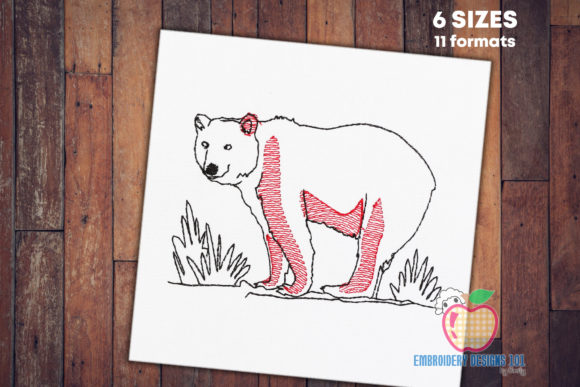
When you’re scrolling through embroidery files looking for the next piece for your project, the first impression is everything. This Big Male Bear Walking in the Jungle sketch design stops you right there. It’s not just another animal graphic; it has a walking, lumbering motion and a relaxed, almost thoughtful posture. The sketch style gives it a hand-drawn personality that feels immediate and artistic, rather than a rigid clip-art image. That’s a mood I appreciate—it’s bold but not aggressive, naturalistic without being overly detailed. It whispers “handmade” louder than a perfectly polished logo.
Where This Bear Finds Its Home: Project Fit & Customer Appeal
I immediately pictured this on a sturdy canvas tote bag or a heavyweight cotton sweatshirt. The sketch lines and solid form would translate beautifully into clean satin and fill stitches, creating a graphic that’s substantial enough to stand alone as a statement piece. For a small business owner or Etsy seller, this design taps into a popular theme—wild animals—with a specific, masculine character that could appeal to a niche. Think about a custom gift for a dad, a nursery decor piece for a woodland-themed room, or a unique patch for a backpack. Its scale, as indicated by the multiple sizes, means you can adapt it. A larger version could be the centerpiece of a pillow cover; a smaller one could be a perfect accent on a baby blanket’s corner, softened by the sketch aesthetic.
In a real-life scenario, I’m considering it for a client who wants a series of personalized gifts for a wildlife enthusiast. Embroidered onto a set of high-quality tea towels or an apron, this bear would look confident and craftsman-like. The walking motion adds a dynamic touch that static bear portraits lack. For commercial embroidery, like boutique-branded apparel, it offers a recognizable yet non-corporate logo option. The key is matching the design’s personality to the product’s function. This bear feels grounded and exploratory, so it fits items meant for use or adventure—totes, caps, hoodies, even durable kitchen linens.
Practical Considerations: Stitching It Right for the Real World
While the description calls it fun and easy to stitch, my designer mindset always goes to the execution. The sketch style likely uses running stitches for the outline and fill stitches for the body. On textured fabrics like some sweatshirt materials, you’ll need a good stabilizer to keep those lines crisp. For dark fabrics, thread color contrast is critical; a lighter, natural tan or grey palette would make the bear pop, but test it first on scrap fabric. The “multiple sizes” are a huge advantage. I’d avoid the smallest hoop size on very stretchy fabric or curved surfaces like caps unless the design has been simplified enough—small, dense details on a curved seam can get distorted.
Areas to watch? The bear’s outline and any internal sketch details. If there are tiny line variations, they might need tweaking for super-small versions. Always run a test stitch, especially if you’re planning to sell the finished product. Check the stitch density; a too-dense fill on a lightweight t-shirt could make it pucker, while on a tote bag it would provide lovely substance. This isn’t just about making it stitch out—it’s about how it feels and looks after washing, wearing, and handling. A design like this, when done well, elevates the perceived value of a handmade product. It shows care and skill, which builds customer trust and boosts your brand consistency as a maker.
Beyond the Stitch: Impact on Your Craft Business
Using a design like Big Male Bear Walking in the Jungle in your offerings isn’ just about adding another product. It’s about storytelling. This design has a narrative—a bear in its habitat, moving. That adds a layer of giftability and recognition. A customer buying an embroidered pillow cover with this isn’t just buying decor; they’re buying a piece of a theme. For holiday gifts or wedding presents for an outdoorsy couple, it feels thoughtfully chosen. In your Etsy listings or craft fair displays, it can help you stand out from generic animal motifs. Pair it with a good printable mockup showcasing it on a relevant product, and your buyer engagement will likely increase because they can visualize it in use.
Professionally, it’s a solid design asset. It’s adaptable. It works for personal projects and, assuming the licensing permits, for commercial embroidery projects where you sell the finished physical items. Always, always confirm the license before selling. This clarity protects your craft business and ensures you’re building your shop on a solid foundation. For apparel decorators, it’s a ready-made graphic that can be combined with text or other elements for a custom order. The handmade presentation is inherently strong with this sketch style.
A Few Final Designer Notes Before You Hoop It
My final advice is always practical. Test this embroidery file on a similar fabric to your final project first. Check how the details render in your specific machine embroidery setup. Compare how it looks in a black-and-white mockup to gauge its form, and visualize it on both light and dark fabric backgrounds—sometimes a design shifts character dramatically. Use the proper stabilizer for your fabric type; this is non-negotiable for professional results. And remember, the category Wild Animals is popular, but the type Embroidery is your execution. This bear’s success in your project hinges on your preparation. A well-stitched version of this big male bear walking through the jungle won’t just be a product; it’ll be a testament to your skill as a maker, turning a digital embroidery file into a cherished finished product.