A Girl in a Martini Glass: Elegance with a Wink
First Impressions: It's Not Just a Wine Design
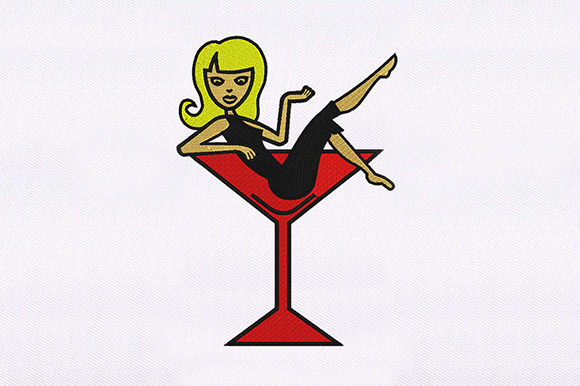
When I first opened the Girl in Martini Glass design, my immediate thought was "charming." This isn't a generic, bold wine logo. It's playful yet refined, a piece of visual wit. The figure inside the glass has a relaxed, celebratory posture that instantly sets a mood—it's for the person who enjoys their drink with a sense of fun and style, not just the act itself. The layout is balanced, with clean lines that promise good stitch clarity. For embroidery designers and makers, this tells me it's a design that can elevate a simple product into a thoughtful personalized gift or a standout piece in your craft business lineup.
The Perfect Project: Imagining It Stitched
I'm picturing this on a high-quality canvas tote bag for a friend's birthday. The scene is clear: a crisp, white tote with this design embroidered in a deep burgundy and gold thread combo. It wouldn't shout; it would intrigue. That's the key here. This embroidery design naturally fits projects where the appeal is subtle and clever. Think boutique kitchen towels, a statement apron for a home entertainer, or a minimalist embroidered patch on a denim jacket. It would be a delightful, unexpected touch on baby clothes for a wine-loving family (perhaps a "future connoisseur" nursery decor piece). For Etsy sellers and small shop product creators, it fills a niche—it's more art than advertisement.
Where Its Personality Shines
The design's strength is its versatility across occasions. It’s perfect for holiday embroidery gifts, like a monogrammed pillow cover for a couple who hosts cocktail parties. It could be the centerpiece for a set of custom apparel for a small vineyard's staff or event. As a digital embroidery file included in a broader bundle, it adds a touch of elegance. In a craft fair setting, this on a sweatshirt or tea towel would catch the eye of someone looking for something beyond the typical graphic.
Practical Considerations for Real Stitching
Now, let's talk about the machine. The provided file formats are extensive—including ART, DST, EXP, HUS, JEF, PES, VIP, and others—meaning compatibility with most home and commercial embroidery machines is excellent. But the real work happens in preparation. The design has areas of likely fill stitch (the glass) and finer running stitch or satin stitch details (the figure and outlines). On textured fabrics like a sweater, you'll need a solid stabilizer to keep those clean lines. On thin or stretchy fabric, consider a lighter-weight base but maybe two layers. Always test the design on scrap fabric first.
Navigating the Tricky Spots
The most delicate part will be the small figure inside the glass. On very small hoop sizes, those details could become dense. I'd advise using this on a field large enough to let the design breathe—think a 4x4 inch minimum area. On dark fabric, thread color contrast is crucial; a light or metallic thread for the glass outline will make it pop. For caps or other curved surfaces, the circular shape of the glass itself is actually forgiving, but pay extra attention to stabilizer choice to prevent distortion.
For products meant for frequent washing, like kitchen towels or baby items, ensure you're using high-quality thread and a secure stitch density. The design isn't overly dense, which is good for fabric integrity, but check the actual stitch count in your software before running it. This isn't a design I'd use on a heavily layered garment like a thick quilt; it's meant for smoother, more presentation-focused surfaces.
From Stitch to Sale: The Business of Charm
For the creative entrepreneur, this design affects customer trust and brand consistency by offering a polished, finished look. It's not amateurish. That handmade presentation feels professional. In your printable mockups and digital product previews, it will look sophisticated. Its visual appeal is about recognition—not of a brand, but of a shared mood. That builds buyer engagement. A customer buying a tote with this isn't just buying a bag; they're buying a wink, a shared joke, a moment of elegance.
Essential Designer Notes Before You Hoop
- Always confirm licensing for the file before selling finished items or using it in commercial embroidery projects. The product category is Wine, but the application is broad.
- Check the specific file for your machine's required hoop size and recommended stitch density in your software.
- Inspect small details like the figure's edges in your preview. A slight adjustment in scale might be needed for perfect clarity.
- Test it in black and white mockups to see how it holds up as a silhouette. This helps plan for light and dark fabric backgrounds.
- Remember, this embroidery file is a design asset. Its value is in how you apply it. Pair it with quality materials and thoughtful product choices.
Final Judgment: A Design with Character
The Girl in Martini Glass design succeeds because it has character. It's not filling a generic market slot; it's creating a specific moment. In my project planning, it moves from the "possible" folder to the "definite use" folder. It's reliable from a technical standpoint given the format range, and creatively, it opens doors to products with higher product value and better giftability. Whether you're a hobbyist making a one-off gift or an apparel decorator running batches for a boutique, this design translates from digital file to stitched finished product with a consistent, charming personality. That’s the mark of a good embroidery project candidate: it does its job beautifully, without you having to explain it.