A Designer's Hands-On Review of the Textile Quilt Pattern
The First Impression: Elegant and Intentionally Detailed
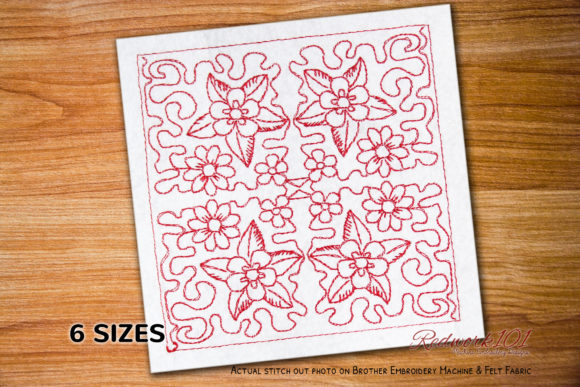
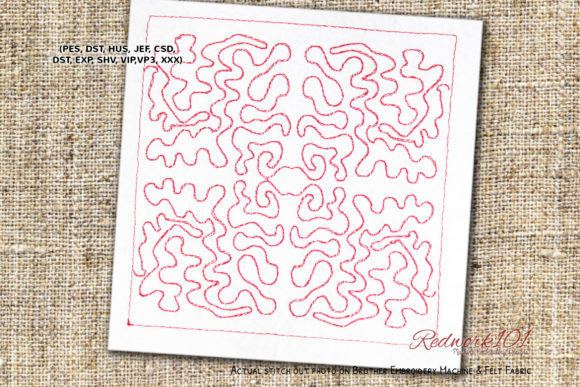
When you first open the Textile Quilt Pattern embroidery file, the immediate feeling is one of structured elegance. It's not a loud, busy design. Instead, it presents a mood of quiet craftsmanship. The layout feels considered, with a balance between open areas and detailed line work that suggests it knows its purpose. The visual personality is classic, leaning towards heirloom quality rather than trendy flash. This isn't a design you'd throw on just anything; it naturally belongs to projects meant to carry weight—personalized gifts, boutique home goods, or items meant to last.
Where This Design Shines in Real Projects
Let’s talk about application. I’m thinking through a recent project: a custom embroidered tote bag for a small shop client wanting a cohesive brand look. The Textile Quilt Pattern here would be superb. Its intricate cuts and structured lines would translate beautifully onto a sturdy canvas tote, lending an air of quality that plain screen printing can't match. Similarly, imagine it stitched onto a linen pillow cover or a high-quality apron. The design adds value; it makes the product feel more thoughtfully made.
For crafters and Etsy sellers, this pattern has serious potential in several key niches. Baby items and nursery decor, like blanket corners or decorative wall hangings, would benefit from its detailed yet gentle aesthetic. As a holiday gift—perhaps a monogrammed kitchen towel set or a personalized sweatshirt—the design feels special without being overly seasonal. For apparel decorators, it could anchor a sophisticated look on a sweater or a cap, provided the fabric base is suitable. In my mind, it excels on stable, woven fabrics where every stitch detail can be appreciated.
Practical Considerations and Careful Use
Now, the realistic designer notes. This is an intricate embroidery design, and that means it demands a thoughtful approach to execution. First, hoop size matters. You'll need to ensure your chosen hoop can accommodate the full design without compromising those finer details. Always test on scrap fabric first—the same fabric you plan to use for the final product. This lets you review stitch density, check for any pesky thread breaks in tight corners, and see how the design sits on the actual texture.
Pay close attention to fabric choice. While it could look stunning on a dark fabric with proper thread color contrast, I'd be cautious with highly textured, very stretchy, or thin materials. The clarity of those intricate cuts could get lost. Similarly, on curved surfaces like caps, you'd need excellent stabilizer and possibly a reduction in scale to maintain integrity. For products destined for frequent washing, like apparel, ensuring the stitch density is robust enough to withstand wear is crucial. A poorly executed dense area on a t-shirt might pucker or degrade over time.
Thread, Contrast, and Backgrounds
A practical tip: before stitching, run the design through a black and white mockup on your software. This helps you see the pure structure, divorced from color. Then, physically compare how it looks on both light and dark fabric backgrounds in your test runs. The optional Box Stitch mentioned in the description is a key decision point. Remember, its color is often separate, so you can skip it or use it as a framing element. This choice dramatically alters the final look—a bold border versus a more integrated, subtle finish. Your thread color selection here directly impacts visual appeal and stitching clarity.
Impact on Your Business and Customer Perception
From a small business owner's perspective, using a design like the Textile Quilt Pattern consistently across a product line—say, a series of embroidered pillow covers—builds brand consistency. It signals a level of professionalism and intentionality that customers notice. The finished product has a high giftability factor; it feels like a keepsake. For digital product sellers offering the file itself, providing clear printable mockups showcasing the design on various products (tote bags, sweatshirts) boosts buyer engagement and trust. They can visualize the end use immediately.
However, a critical note: always confirm the licensing terms for this embroidery file before selling finished items or incorporating it into commercial embroidery projects. The description provided doesn't specify this, so it’s a step you must take to protect your business and respect the designer's work.
Final Design Judgment for Makers
In summary, the Textile Quilt Pattern is a design with a specific, valuable place. It won't be your go-to for every quick project, but for those occasions where detail, elegance, and a handmade presentation are paramount, it’s a formidable asset. It asks for a bit more care in setup—proper stabilizer, thoughtful fabric pairing, and test runs—but rewards that effort with a finished product that elevates custom apparel, personalized gifts, and small shop merchandise. Approach it with a designer's eye: see it not just as an embroidery file, but as a key component in creating something of lasting appeal.